Survey Finds Americans Overestimate How Well They Understand Blood Pressure
A study of more than 6,500 Americans found that 64% felt confident they understood blood pressure numbers, but only 39% knew what a normal reading is.
By Aever Bundji · · Originally reported by The Philadelphia Inquirer
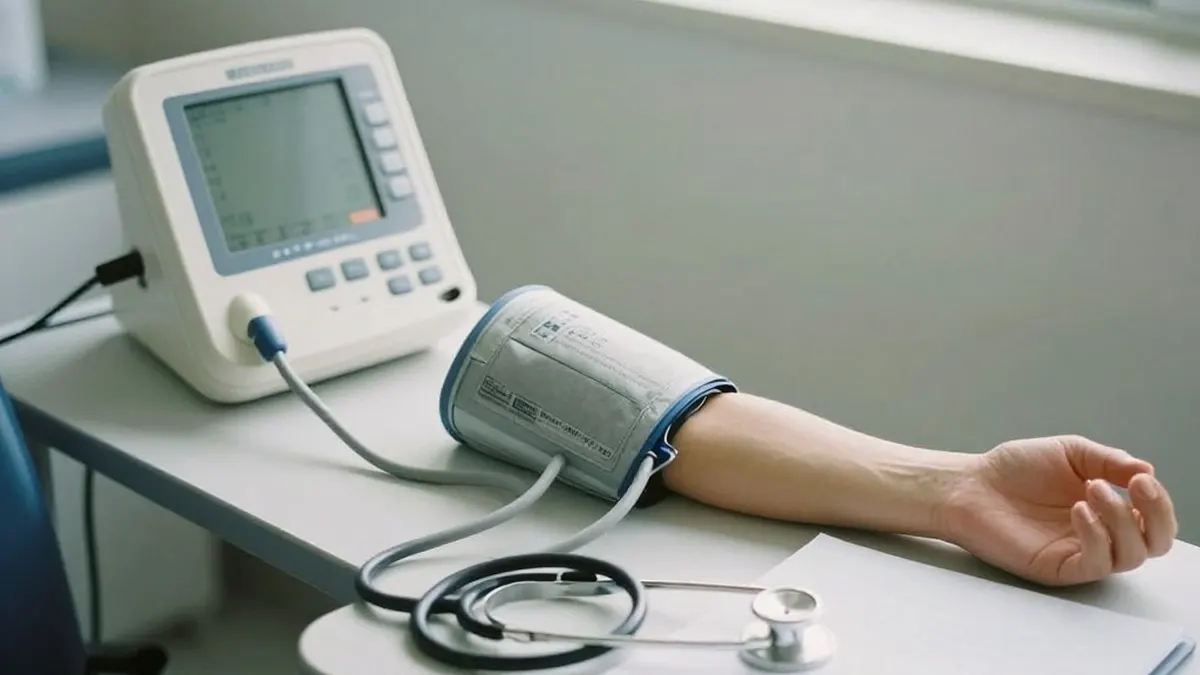
Most Americans do not know what counts as a normal or healthy blood pressure reading, yet many believe they do, according to new research that its authors say is cause for serious concern.
The study, published in January 2023, surveyed more than 6,500 people recruited through the Understanding America Study, a nationally representative sample of U.S. residents. It was conducted by a health communications expert, a cardiologist and their collaborators. Some 64% of respondents said they were confident in their understanding of blood pressure numbers, but only 39% actually knew what a normal or healthy reading is.
The researchers warn that such false confidence can keep people from seeking care. Someone who assumes their blood pressure is fine has little reason to raise it with a doctor. The authors suggest the habit may begin in the exam room, where a nurse typically takes the reading with an upper-arm cuff and records it. When the doctor arrives, the visit may move on to how the patient is feeling and why they came in, with no mention of the blood pressure result. Patients can leave believing their numbers are fine when they are not.
The stakes are high. A 2023 American Heart Association report found that nearly half of Americans ages 20 and older, more than 122 million people, have high blood pressure, also called hypertension. More than three-quarters of those 65 and older have it. About 70% of Americans will develop it at some point, and only 1 in 4 patients with hypertension has it under control. Because it usually causes no symptoms, people can have it without knowing. It is a major risk factor for heart disease and stroke.
Blood pressure is reported as two numbers. Systolic pressure, the first, measures pressure in the arteries when the heart beats. Diastolic pressure, the second, measures it between beats. Normal blood pressure for adults is below 120/80 millimeters of mercury. Stage 1 hypertension begins at 130/80, and the more severe stage 2 begins at 140/90. The authors note that every rise of 20 in systolic pressure, or 10 in diastolic pressure, doubles a person's chance of dying from a heart attack or stroke.
To counter overconfidence, the authors urge patients to ask about their blood pressure at every visit and find out what the numbers mean. For those above the healthy range, they pass along American Heart Association advice, starting with talking to a doctor about lowering it and tracking it at home.
Lifestyle recommendations include a heart-healthy diet rich in vegetables, fruit, whole grains, fish and olive oil, and limited red meat, saturated and trans fats, and ultraprocessed foods. The Dietary Guidelines for Americans advise no more than 2,300 milligrams of sodium a day, but the U.S. Food and Drug Administration reports that the average American consumes about 3,400 milligrams, roughly 50% more. One serving of canned chicken noodle soup has 680 milligrams, and a Big Mac has 1,010 milligrams.
The guidance also covers alcohol, which raises blood pressure: no more than one drink a day for women and two for men, though not drinking is better. About 2½ hours of weekly physical activity, such as a 30-minute walk five days a week, can help, as can losing even a few pounds if overweight. The authors also recommend managing stress and quitting smoking and vaping. They cite a recent study in which people who quit had lower blood pressure after just 12 weeks.
Medication is often recommended for people with stage 2 hypertension and some with stage 1, including those with heart disease, kidney disease or diabetes. Most patients need two to three drugs to reach healthy levels. A recent meta-analysis found that lowering systolic pressure by 5 mm Hg through medication reduces the risk of major cardiovascular events by about 10%. For home monitoring, the heart association recommends an automatic, validated upper-arm cuff monitor, and a record of readings can help doctors adjust treatment.
The study's authors are Wändi Bruine de Bruin, a professor at the University of Southern California, and Mark Huffman, a professor of medicine at Washington University in St. Louis. They call high blood pressure a silent killer and say knowing your numbers can save your life.